
Keywords
estética
teoría del arte
Konrad Fiedler
Max Des Dino Formaggio
aesthetics
art theory
Konrad Fiedler
Max Dessoir Dino Formaggio
estetica
teoria dell'arte
Konrad Fiedler
Max Dessoir
How to Cite
Abstract
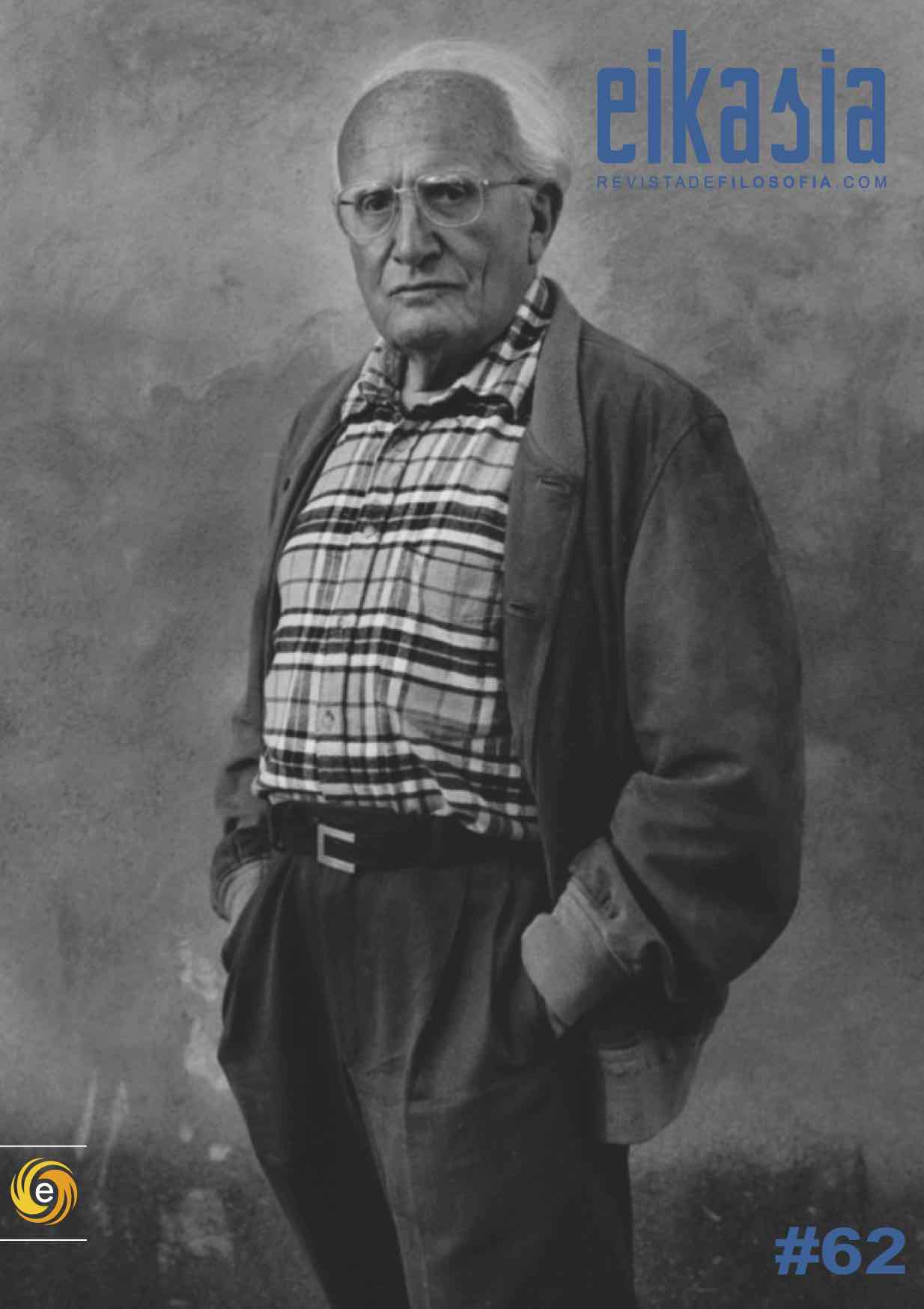
Dino Formaggio’s philosophical investigations on the issue of the artistic technique embrace all the crucial questions related to aesthetics as a philosophical discipline, both en the sense of a theory of sensation and en the sense of a theory of art. Within this frame, this paper aims at exploring en particular the relationship of Formaggio with the German tradition of the «general science of art» (allgemeine Kunstwissenschaft) and the so-called «history of art with no names» (Kunstgeschichte ohne Namen): en the context of the Italian aesthetic debate his works contributed en a fundamental way to approach under a different and new perspective authors like Fiedler, Dessoir, Utitz, Riegl, whose first reception by Benedetto Croce had interpreted en a deforming idealistic manner.

This work is licensed under a Creative Commons Attribution-NonCommercial-NoDerivatives 4.0 International License.
Copyright (c) 2015 Asociación de Filosofía Eikasía