
Keywords
Antonio Banfi
estética fenomenológica
arte
cuerpo Dino Formaggio
Antonio Banfi
phenomenological aesthetics
art
body
How to Cite
Abstract
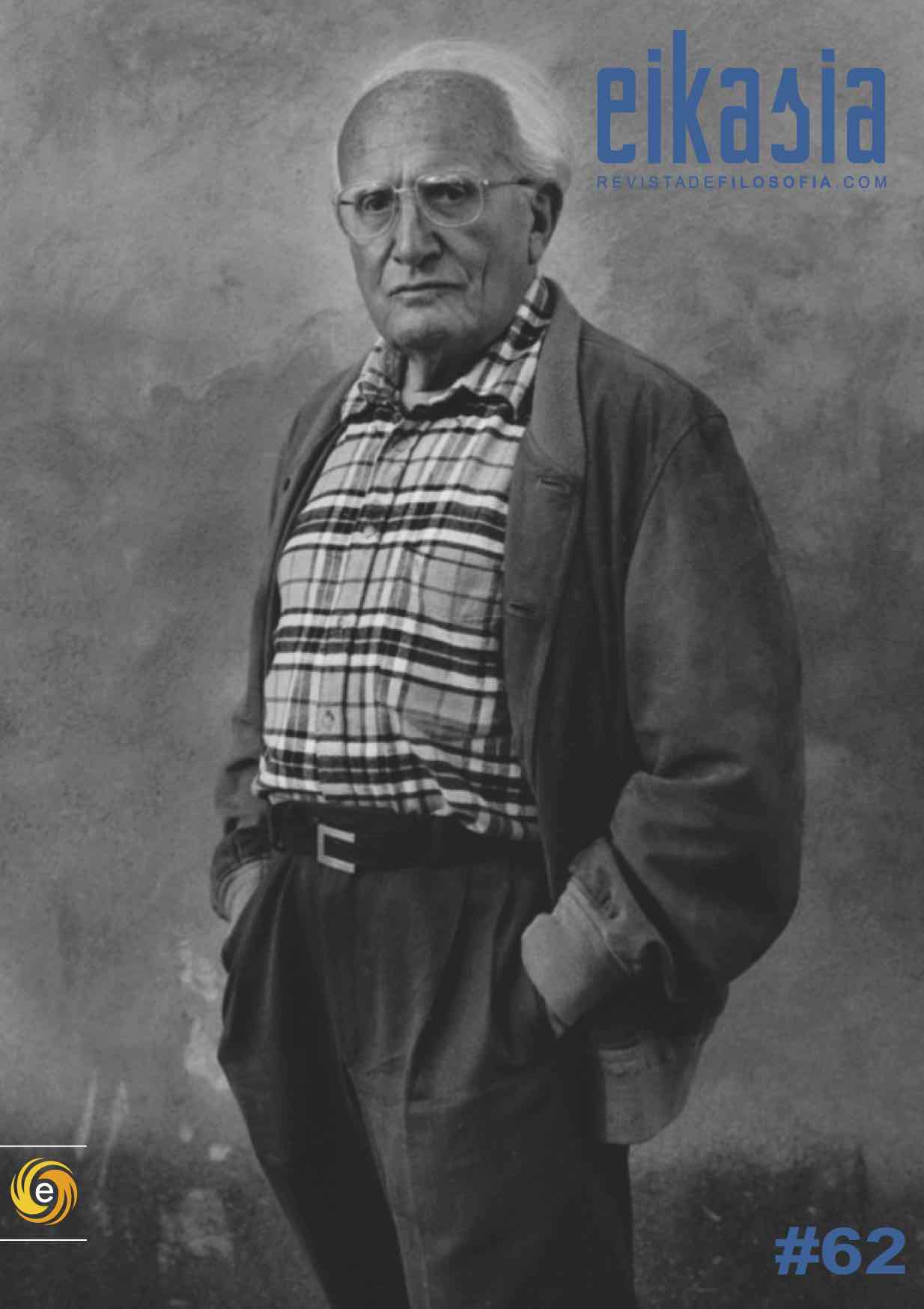
Dino Formaggio's work is characterized mainly by its achievements in opening a broad and complex speculative path in the field of aesthetics and art theory of the twentieth century. Beyond just proposing a specific theory of art, which remains anyway an argument that this author hinted several times in his studies related to specific artists, in his long career, Formaggio tried to put the theoretical basis of a phenomenological aesthetics, the science of an aesthetic logos, whose arrival point became, in the seventies, the central concept of body. The aim of this article is to describe the process from his first considerations of the Banfi’s «idea of aestheticism» and the allgemeine Kunstwissenschaft of Max Dessoir, until the latest thinking about the relationship between art, body and shape.

This work is licensed under a Creative Commons Attribution-NonCommercial-NoDerivatives 4.0 International License.
Copyright (c) 2015 Asociación de Filosofía Eikasía